
Health and Taste
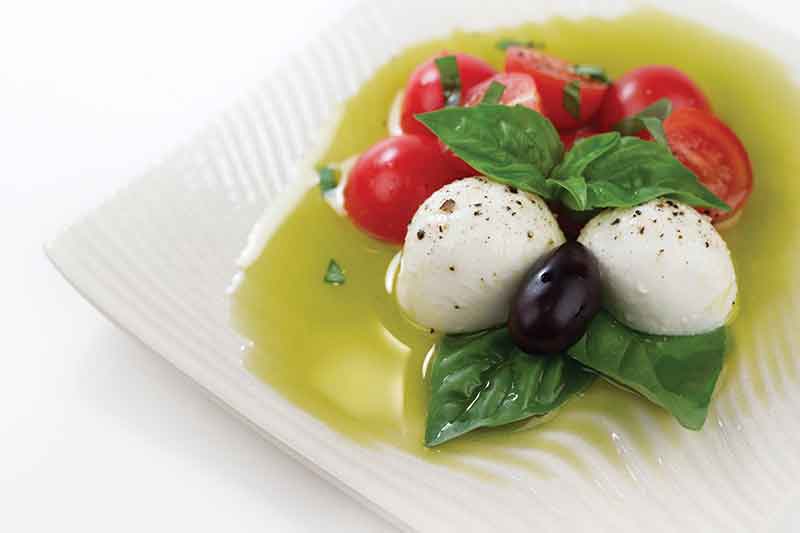
Tasteful and healthy
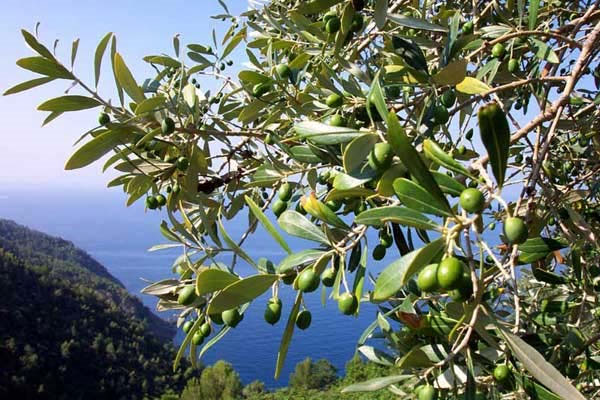
The olive is a timeless Mediterranean treasure, coming from the legendary Olea europaea tree. Α symbol of strength and longevity that can live for hundreds of years. Cultivated for more than 5,000 years, olives are a true gift of nature, combining rich taste with exceptional nutritional value.
Olive=Drupes
Olives are drupes. Α special category of fruit. Drupes are fruits that contain a single seed surrounded by flesh and a hard pit. Alongside olives, this group includes well-known fruits such as mangoes, cherries, peaches, plums, apricots, nectarines, as well as nuts like almonds and pistachios.
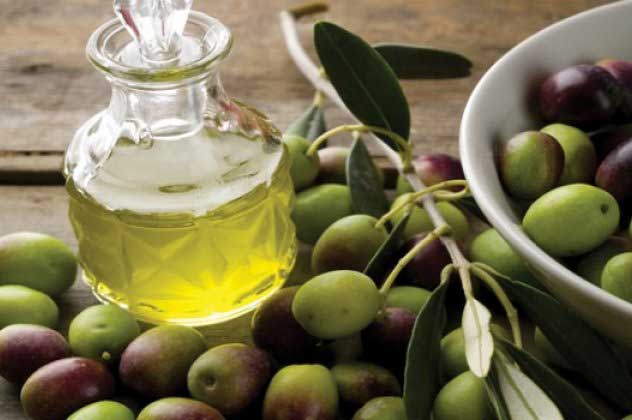
“Extra Virgin”
“Extra Virgin Olive Oil refers to purity of process, not just numbers. It is extracted directly from olives using only mechanical methods, without chemical refining or industrial alteration. While acidity levels are used as quality indicators, they do not define the essence of “virgin” olive oil. The true meaning lies in its natural, untouched character.”

Olive and Olive Oil Health benefits have been demonstrated for the cardiovascular system, respiratory, nervous, musculoskeletal, immune, inflammatory, and digestive system.
-
Several recent laboratory animal studies have found that with regular use of olive oil, calcium deposits in bone have increased and thus total bone mass loss density has decreased. These findings are fascinating, since consumption of the Mediterranean Diet has long been associated with the decreased risk of osteoporosis.
-
In traditional herbal medicine practices, preparations from olives and olive leaves have often been used in treatment of inflammatory problems, including allergy-related inflammation. It’s also possible that olives may have a special role to play as part of an overall anti-allergenic diet.
-
The high monounsaturated fat content of olives has been associated with reduced risk of cardiovascular disease.
-
Recent research studies have also shown that the monounsaturated fat found in olives (and olive oil) can help to decrease blood pressure.
-
Oleuropein is found exclusively in olives, and it’s been shown to function as an antioxidant nutrient in a variety of ways. The antioxidant and anti-inflammatory properties of olives make them a natural source for protection against cancer.
-
A recent study has shown that a diet rich in olive oil during pregnancy and breast feeding has a positive effect on the development of the unborn child and may also affect her adult life.
-
An olive-oil-rich diet is not only a good alternative in the treatment of diabetes; it may also help to prevent or delay the onset of the disease These benefits have been documented in child and adult diabetes studies.
-
The results of a recently published study suggest that regular consumption of olive oil may reduce the risk of developing rheumatoid arthritis.
-
Olive oil is recommended in diseases where pancreatic function has to be maintained, such as pancreas failure, chronic pancreatitis, cystic fibrosis, malabsorption syndromes, etc.
-
On top of polyphenols, olive oil has a large proportion of vitamins A, D and K, as well as vitamin E, the main source of protection against the free radicals that produce cell oxidation. This makes it a good aid in specific therapies to treat skin disorders such as acne, psoriasis and seborrheic eczemas.
